Find the genuine app
Navigate to the publisher’s verified website yourself. Check the address carefully and avoid sponsored links, unsolicited downloads, or copied instructions from strangers.
A considered guide for your desktop
A clear, independent walkthrough for getting oriented—pair a thoughtful desktop routine with the security habits that matter.
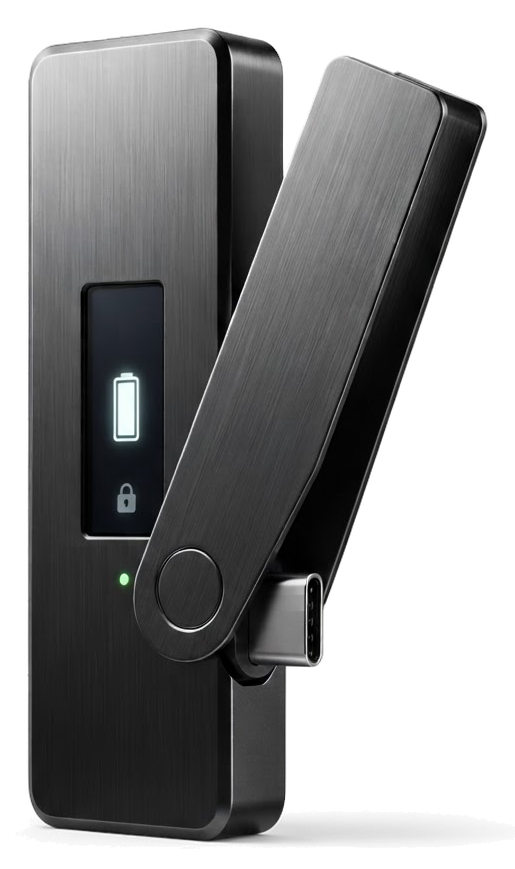 01 / 01 SELF-CUSTODY, MADE TANGIBLE
 Understand before you connect
Your desktop is the window.
Your device is the checkpoint.
Learn what the app can show, what your hardware device confirms, and how to slow down when something feels unexpected.
Explore safe habitsLedger Live Desktop is companion software for viewing and managing supported crypto accounts alongside a compatible hardware wallet. It brings account activity and portfolio information into one place, while the physical device is used to approve sensitive actions.
This guide is independent and informational; it is not an official Ledger website or a substitute for current product instructions. App features, supported assets, and menus can change over time. Check the publisher’s verified channels and in-app information before acting, and remember that displayed balances are estimates rather than a promise of value or access.
BEFORE YOU BEGIN
Set up in a calm moment on a computer you trust. Keep your device and its recovery information close, but never type a recovery phrase into the desktop app, a website, or a message.
SET YOUR BOUNDARIES
Download software only from a source you independently verify. Close look-alike search ads and unsolicited links. No support person needs your PIN or recovery phrase.
Go slowly. You can pause at every step and check current on-screen instructions from the verified product source.
Navigate to the publisher’s verified website yourself. Check the address carefully and avoid sponsored links, unsolicited downloads, or copied instructions from strangers.
Follow the installer for your operating system. Review permission prompts, keep your operating system current, and let the app finish any initial updates before proceeding.
Use the setup path that matches your device and existing wallet. Read each screen before confirming; do not create or restore a wallet based on an unsolicited support message.
Connect your hardware wallet directly to the computer with a suitable cable, then unlock it locally using its PIN. Keep the device in your possession. Follow the app’s current pairing instructions and approve only prompts you understand.
If the desktop shows a security or genuine-device check, read the result on-screen rather than relying on a claim from a pop-up or caller. A connection prompt is not, by itself, a reason to approve a transaction.
Review the verification basicsA transaction should make sense
on both screens.
The desktop experience and your security routine complement each other. Neither should replace checking the details.
Balances and portfolio totals are informational snapshots. Prices move, network conditions vary, and an asset shown in an interface is not a guarantee of liquidity or future value.
Add or view only supported accounts using the app’s prompts. Check the selected asset and account before receiving or sending; a familiar-looking label does not replace address verification.
Values may use market-price information and can differ from an exchange or another tracker. A temporary display issue does not necessarily indicate a change on a network.
Review the network, destination, amount, and fee before signing. Make sure the details shown on your physical device match what you intended; cancel if anything is unfamiliar.
Good security is a set of repeatable checks, not a promise that risk disappears. Keep control of the device and treat urgency as a reason to slow down.
Before approving, compare the recipient and transaction details shown on the hardware wallet with your intention. The computer screen alone is not enough to confirm a sensitive action.
Do not post account details, recovery words, PINs, or screenshots that expose private information. Be wary of anyone offering to “synchronize” or remotely fix your wallet.
Type a known address or use a trusted bookmark to reach product resources. Check for misspellings and unexpected redirects; never install remote-access software for support.
Unexpected alerts, countdowns, and requests to move assets quickly are warning signs. Disconnect and verify instructions independently before taking another step.
A recovery phrase is sensitive backup information. Store it exactly as directed by your device’s official setup instructions, offline and somewhere private. Never enter it into a computer or phone, take a photo, save it in cloud storage, or send it to anyone.
If a phrase has been exposed, treat that as urgent and consult verified guidance using a safe device. Never follow unsolicited instructions to “validate” or “sync” your words. Do not assume that a desktop password or PIN protects a phrase you have shared.
Updates can improve compatibility and security, but verify where they come from. Use in-app notices or the publisher’s verified website, read release details, and do not install files sent by strangers. Keep your desktop operating system updated too.
Never disclose a recovery phrase to install, unlock, or troubleshoot an update.
When product steps differ from what you see here, rely on current verified instructions.
Your recovery phrase should remain private and offline. Never type it into the desktop app, a website, or a support conversation.
Displayed totals can reflect changing market prices and may update at different times. They are estimates for reference, not a guarantee of what you could receive.
No. Approve only actions you initiated and understand. Read the details on the device; cancel and investigate independently if they do not match your intention.
Pause. Do not share private information or follow urgent links. Close suspicious pages and consult current support information reached through a verified source.
Keep these simple checks close whenever you use the desktop app.